October 15, 2026
Starting a career in welding can be an exciting opportunity for individuals who enjoy working with their hands, solving practical problems, and learning technical skills. Welding plays an important role in construction, manufacturing, energy production, transportation, and industrial maintenance. However, entering this skilled trade requires more than knowing how to operate welding equipment. New workers must understand safety procedures, materials, welding techniques, and workplace expectations. A local welding apprenticeship offers a structured way to develop these abilities while gaining experience in professional environments. Rather than trying to learn everything independently, aspiring welders can benefit from guided instruction, practical training, and exposure to experienced tradespeople. Understanding the advantages of an apprenticeship can help individuals decide whether this training path supports their professional goals.
Building a Strong Foundation in Welding Fundamentals
Learning the fundamentals is an important part of preparing for a welding career. Apprenticeship programs introduce participants to essential concepts such as metal properties, welding positions, joint preparation, equipment operation, and basic fabrication techniques. Apprentices may become familiar with processes such as shielded metal arc welding, gas metal arc welding, and flux-cored arc welding. Understanding how these processes work helps beginners recognize why different applications require specific equipment, materials, and techniques.
A local welding apprenticeship can provide structured instruction that helps beginners develop their abilities gradually. Instead of immediately attempting complicated assignments, apprentices typically begin with foundational tasks before progressing toward more demanding work. This approach allows participants to practice proper techniques, understand common mistakes, and become more comfortable handling equipment. Developing these skills early creates a useful foundation for additional training and future responsibilities in the welding industry.
Gaining Valuable Experience Through Hands-On Training
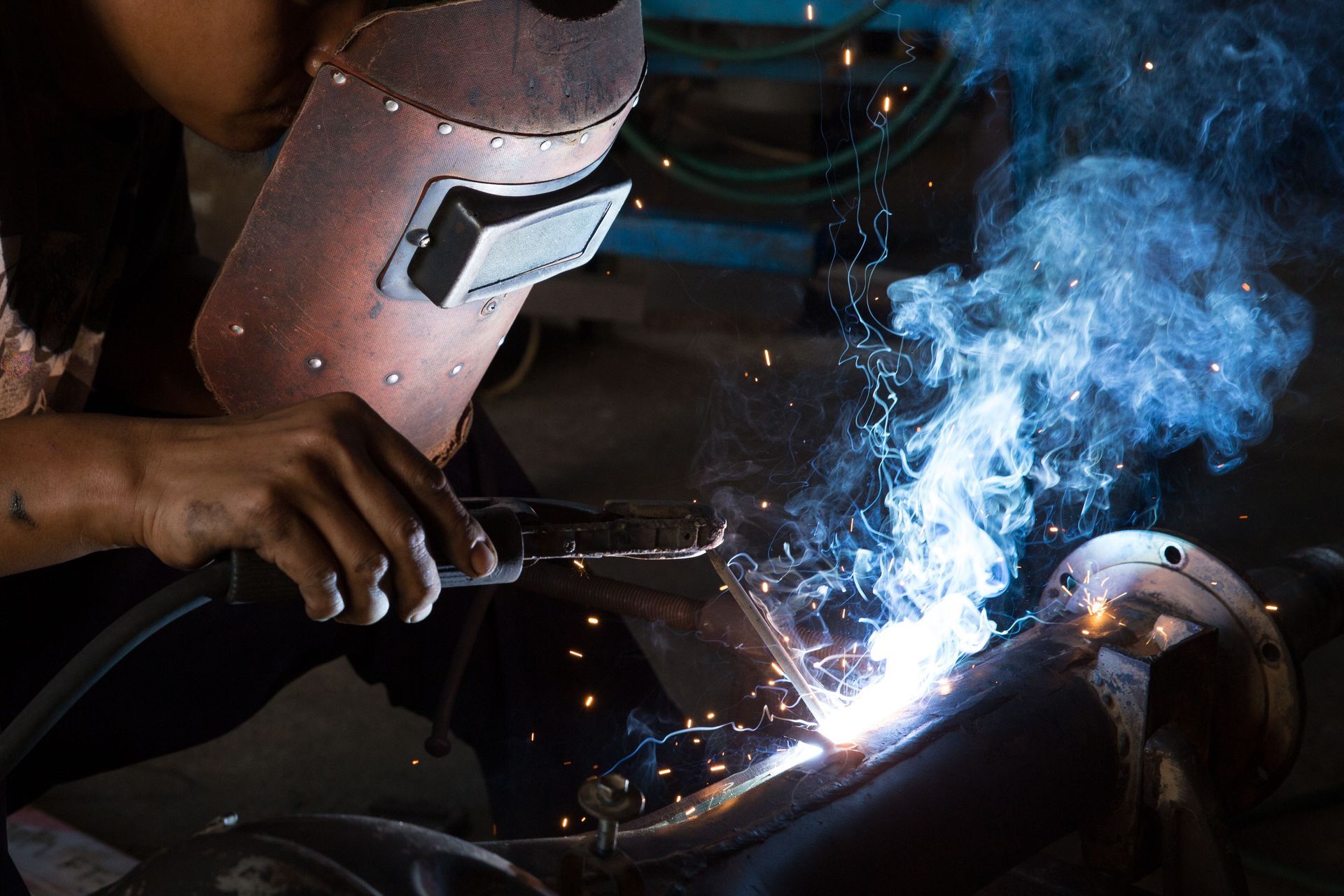
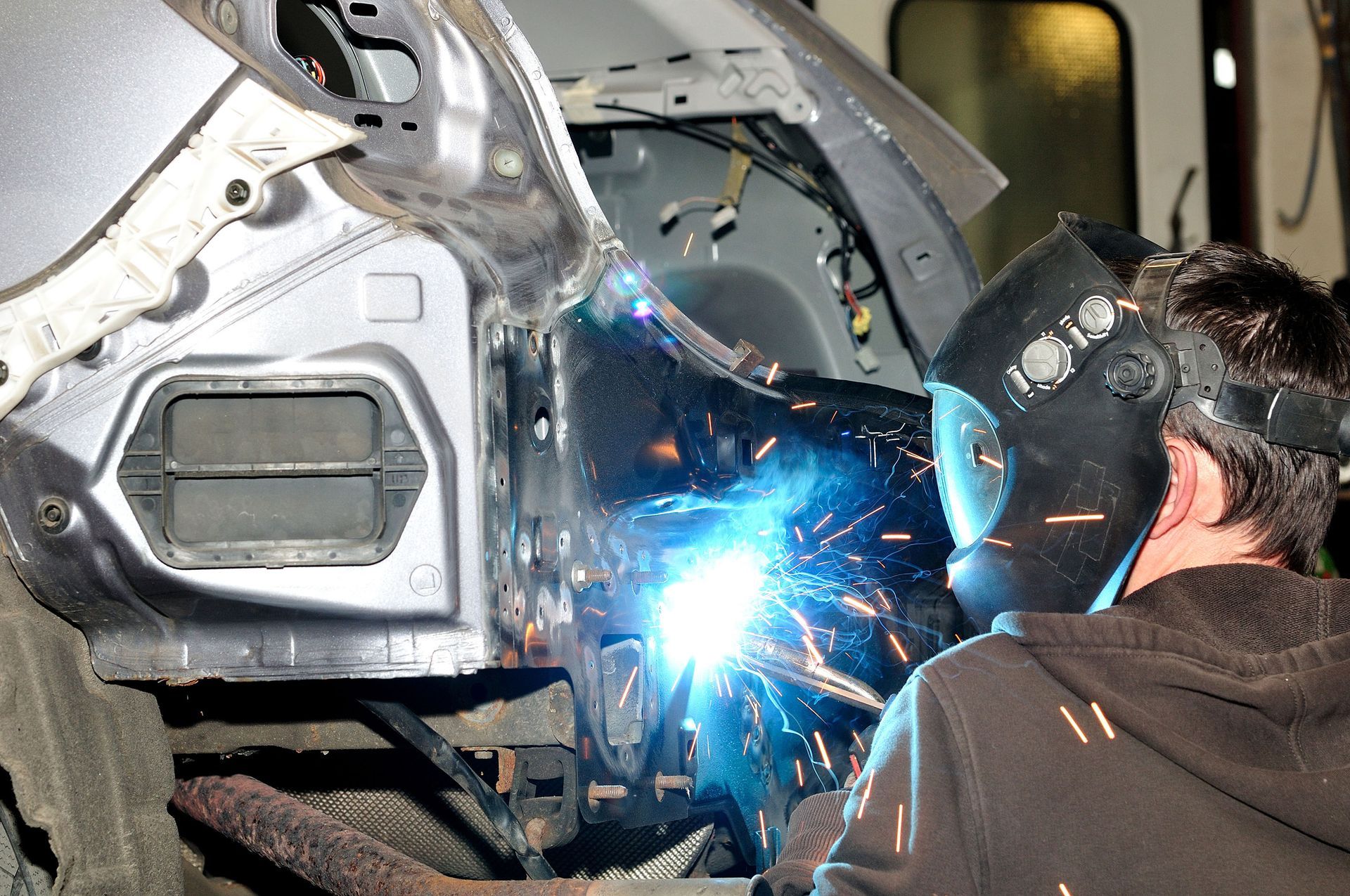
Welding is a practical trade that requires repeated practice to develop accuracy, consistency, and control. Reading about welding techniques provides useful background knowledge, but applying those techniques to actual materials helps apprentices understand how equipment behaves under different conditions. Hands-on training may involve preparing metal surfaces, positioning components, adjusting equipment settings, and practicing welds. These activities help participants connect technical instruction with the physical demands of welding work.
Through a local welding apprenticeship, participants may gain experience in supervised workplace environments where professional standards guide their development. Apprentices can observe how experienced workers approach assignments, organize materials, and evaluate completed welds. Exposure to actual projects also demonstrates how welding contributes to larger construction and maintenance operations. This practical experience can make the transition into professional employment more manageable because apprentices become familiar with the responsibilities and expectations associated with the trade.
Learning From Experienced Welding Professionals
One of the advantages of a local welding apprenticeship is the opportunity to learn directly from individuals who understand the challenges of professional welding. Experienced welders can explain techniques, demonstrate equipment adjustments, and share practical knowledge developed through years of work. Their guidance can help apprentices understand why certain methods are preferred for particular materials or applications. This instruction adds valuable context to the technical information introduced during formal training.
Mentorship can also help apprentices develop confidence as they encounter unfamiliar tasks. Constructive feedback allows beginners to identify areas that need improvement and make adjustments before poor habits become established. Experienced workers may demonstrate efficient preparation methods, explain common welding defects, and emphasize the importance of careful inspection. These interactions can help apprentices become more independent while recognizing when they should ask questions or request additional guidance.
Exploring Different Opportunities Within the Welding Industry
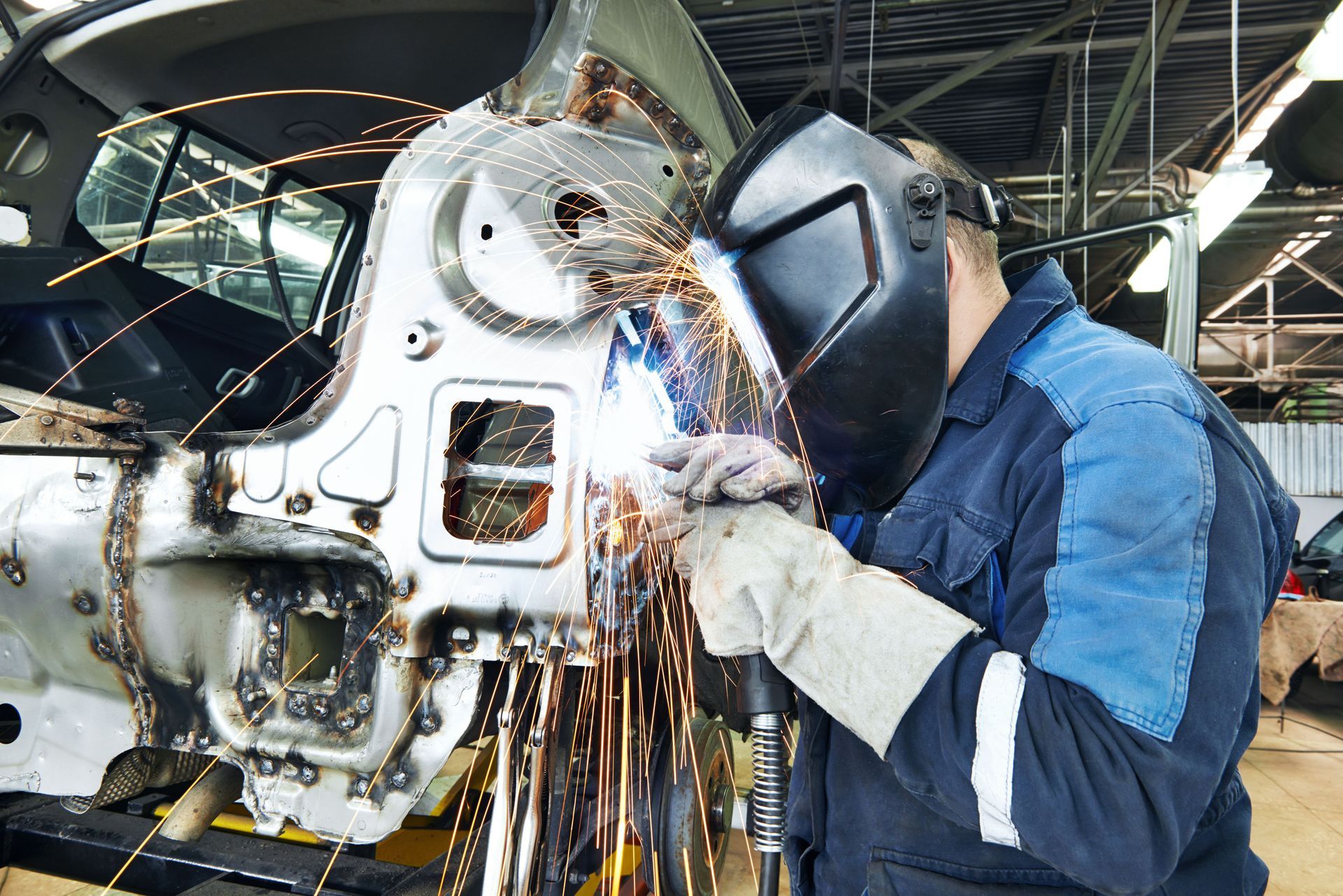
Welding skills are used across numerous industries, giving trained workers several possible directions for their careers. Construction projects require welded connections, while manufacturing facilities use welding to produce equipment and components. Industrial maintenance teams may repair machinery, piping systems, and structural materials. According to Mordor Intelligence, welding accounted for 32.35% of all steel fabrication operations, making it the leading fabrication method. This illustrates welding's important role in metal fabrication activities.
A local welding apprenticeship can introduce participants to different types of projects and help them identify areas that match their interests. Some individuals may prefer structural welding, while others become interested in industrial equipment, pipe welding, or specialized fabrication. Exposure to different working environments can provide a clearer understanding of the skills required for each path. As apprentices gain experience, they can make more informed decisions about additional training and potential career specializations.
Strengthening Professional Skills Beyond Welding Techniques
Successful welding professionals need more than technical ability. They must communicate effectively, follow instructions, manage their time, and work cooperatively with other tradespeople. Apprenticeship training provides opportunities to develop these professional habits while completing assigned responsibilities. Participants may learn to interpret drawings, understand project specifications, organize tools, and coordinate their work with supervisors. These skills contribute to the overall efficiency and accuracy of welding operations.
Working alongside other professionals also helps apprentices understand accountability in the workplace. Arriving prepared, following established procedures, and completing assignments carefully can influence how effectively a project progresses. Apprentices may discover that welding tasks often depend on coordination with fitters, inspectors, and other skilled workers. Learning to communicate questions, report concerns, and respond to feedback can prepare participants for the collaborative nature of industrial and construction environments.
Creating Opportunities for Continued Career Development
An apprenticeship can serve as the beginning of a longer professional development process rather than the final stage of training. As welders gain experience, they may pursue additional qualifications, learn specialized welding processes, or develop expertise with particular materials. Some professionals eventually move toward inspection, supervision, fabrication planning, or other responsibilities. The foundational knowledge gained during an apprenticeship can support these possibilities by establishing an understanding of welding principles and workplace practices.
A local welding apprenticeship may also help participants become familiar with the expectations associated with progressing through the trade. Apprentices can learn about applicable qualifications, performance standards, and the importance of maintaining technical skills. Continuing education may become necessary as equipment, materials, and industry requirements change. Developing an interest in ongoing learning during apprenticeship training can encourage welders to pursue new challenges and adapt as their careers develop.
Preparing for the Responsibilities of a Professional Welding Career
Beginning a new trade can feel challenging when individuals are unfamiliar with the equipment, terminology, and expectations involved. Apprenticeship programs provide an organized environment for developing competence through instruction and experience. Participants can become familiar with job site routines, quality requirements, and the physical demands of welding. This preparation helps aspiring workers understand what professional welding involves before assuming greater responsibilities independently.
Apprenticeship training can also help individuals evaluate whether the trade aligns with their abilities and long-term interests. Welding often requires patience, attention to detail, physical coordination, and a willingness to continue practicing difficult techniques. Experiencing these requirements firsthand gives participants a realistic understanding of the profession. With consistent effort and appropriate guidance, apprentices can develop the confidence and practical knowledge needed to pursue opportunities in a variety of welding environments.
Choosing a career in welding involves developing technical abilities, understanding workplace safety, and gaining experience with professional expectations. Apprenticeship training offers a structured introduction to these responsibilities while allowing individuals to learn from experienced tradespeople. Through hands-on practice, mentorship, and exposure to different applications, aspiring welders can build a foundation for continued professional growth. A local welding apprenticeship can be a valuable first step for individuals interested in developing practical skills and exploring opportunities within the skilled trades. Whether you are beginning your career or considering a new professional direction, learning about available training opportunities can help you make an informed decision. To learn more about apprenticeship opportunities and taking the first step toward a welding career, contact Boilermakers Local 107 today.