August 13, 2026
This article explores the indispensable skills that workers develop through a welding apprenticeship, highlighting both technical competencies and valuable soft skills that can be applied across various professional fields. Welding apprenticeships provide hands-on experience, equipping individuals with the necessary knowledge and expertise to excel in the manufacturing and construction industries. These programs are designed not just to instruct workers in particular techniques, but to cultivate a versatile skill set. Through structured learning, apprentices gain an understanding of both the theoretical and practical aspects of welding. Consequently, they emerge as highly competent professionals capable of contributing meaningfully to their respective sectors.
1. Mastery of Welding Techniques
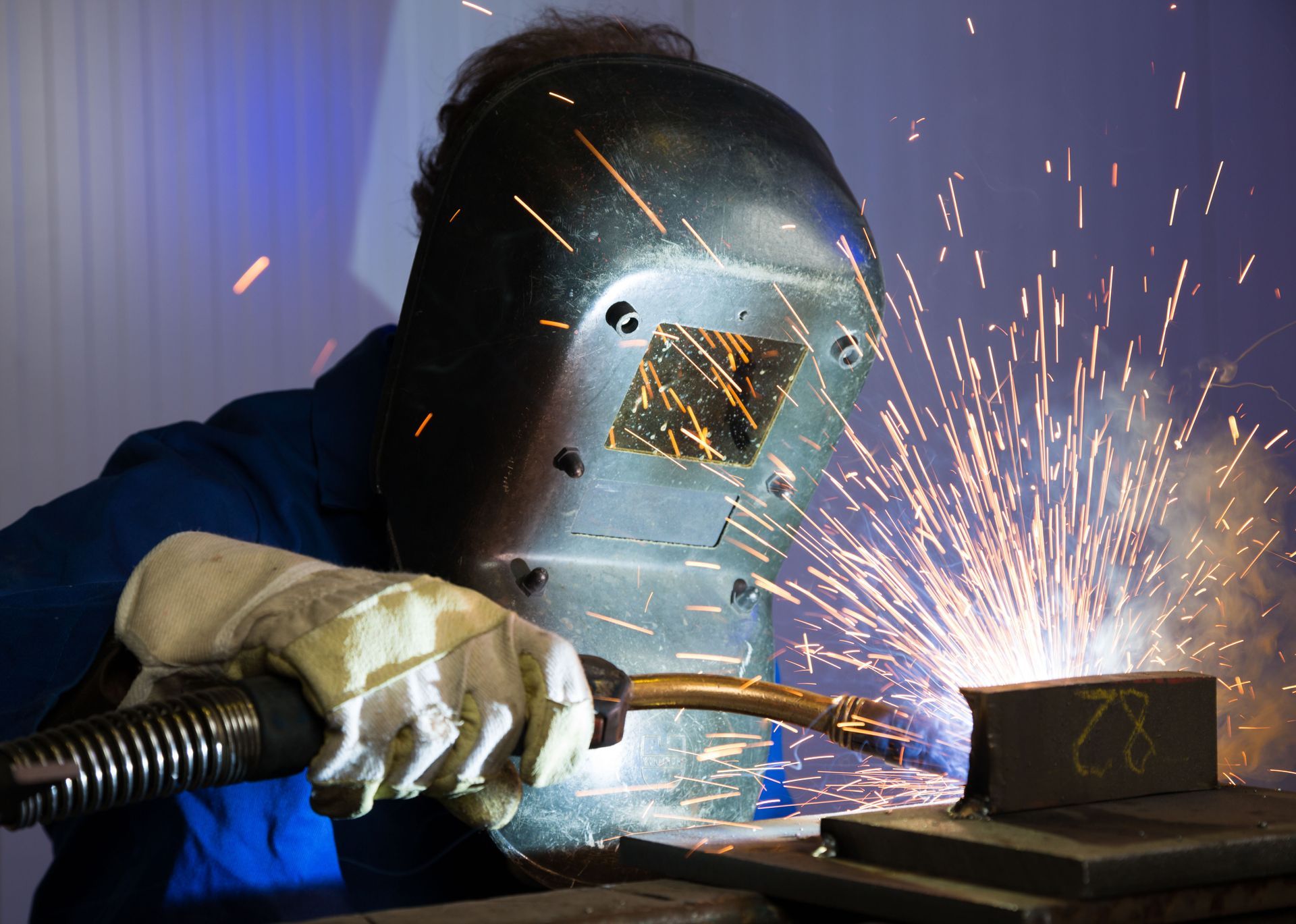
One of the primary skills apprentices develop is the mastery of various welding techniques. Through extensive training, individuals learn about different welding processes such as MIG, TIG, and Arc welding, each serving specific industry requirements. This knowledge empowers workers to make informed choices regarding the appropriate welding methods to apply in a given situation. The practical, hands-on experience fortifies their ability to execute these techniques with precision and confidence. Moreover, understanding these varied methods is critical for any welding professional aiming to achieve excellence in their craft.
Handling welding equipment safely is another crucial skill that apprentices acquire. They are taught the significance of operating tools with care to prevent accidents, improve efficiency, and maintain equipment longevity. This segment of their training not only covers the operation of machines but also emphasizes maintenance practices that ensure safety and optimum performance. Given that welding accidents account for roughly 25 percent of fatal workplace accidents, as mentioned by SafetyNow, mastery of safety protocols becomes imperative. Such knowledge considerably decreases the risk of injury and fosters a culture of safety-first in the workplace.
Precision and accuracy are hallmarks of expert welders. Success in welding relies heavily on the ability to measure accurately and execute designs as intended. Apprentices learn to pay meticulous attention to detail, developing their skills to identify and solve welding defects effectively. Understanding these concepts allows workers to deliver high-quality work consistently. Moreover, they become adept at reading and interpreting blueprints, which is critical for ensuring that the final product meets the desired specifications and standards.
2. Knowledge of Materials and Metallurgy
A thorough understanding of materials and metallurgy is indispensable for any welding professional. Apprentices are trained to comprehend various material properties, such as tensile strength and durability, which play a significant role in determining the welding process to use. This knowledge assists in predicting how different materials will react under heat and pressure during welding. Consequently, it empowers apprentices to make choices that prevent the compromise of material integrity. Thus, they emerge equipped to handle a wide range of welding tasks with competence.
Working with different types of metals is another facet of welding expertise. An apprentice must become adept in distinguishing among metals, which is essential for applying the correct welding techniques. Each metal poses unique challenges due to differences in properties like melting point and thermal conductivity. By learning to identify the right welding process for each metal, apprentices can ensure that joints and fixtures are reliable and resilient. This competency is crucial for creating structures and components that are safe, durable, and fit for purpose.
Preventing material deformation and warping is another critical component of material knowledge. High heat involved in welding can easily lead to such issues if not handled correctly. Apprentices learn to apply heat treatments appropriately and work with controlled techniques to minimize these risks. They are taught how to adjust variables like heat input and cooling rate to suit the specific metal they are working with. These skills are essential for maintaining the structure and strength of the welded materials and preventing costly and time-consuming rework.
3. Problem-Solving and Analytical Thinking
Welding apprenticeships hone workers' problem-solving and analytical thinking abilities. Employees are frequently faced with challenging scenarios where they must assess complex situations quickly. During training, apprentices are exposed to problems requiring them to think on their feet and devise efficient solutions. This experience builds their confidence in navigating unexpected issues that may arise during projects. It also enhances their ability to evaluate situations critically and make well-informed decisions.
Troubleshooting skills are refined throughout the apprenticeship. Apprentices learn to diagnose problems and identify the root causes of defects in welding processes. Regular practice in fault detection enables them to innovate solutions for welding challenges efficiently. They develop a methodical approach to work, where they can systematically eliminate possibilities until they discover the source of a problem. Such expertise is invaluable in ensuring projects are executed proficiently and within scope.
This section of their training also involves the application of critical thinking. Apprentices are encouraged to scrutinize and improve upon existing methodologies and practices creatively. By engaging in scenarios requiring adaptability in problem-solving, they develop skills necessary for tackling diverse project demands. This strategic mindset not only benefits their immediate tasks but also promotes long-term career growth as they become leaders capable of driving innovation within their field.
4. Emphasis on Safety Practices
Safety practices are a central pillar in welding training programs. Apprentices learn the importance of adhering to safety regulations designed to protect them and their coworkers. Comprehensive education on the use of safety protocols ensures workers understand and comply with industry standards. Training in safety extends beyond personal protection to include environment management, where apprentices learn to create worksites that minimize risk. This culture of safety significantly reduces accident rates and promotes a positive work environment.
Proper equipment maintenance is also emphasized as a safety measure. Apprentices are taught to conduct regular inspections and maintenance checks to ensure that tools are in optimal condition. Implementing such practices prevents malfunctions that could lead to dangerous situations. By understanding and applying effective risk assessment and management strategies, apprentices become proficient in identifying potential hazards ahead of time. This proactive approach is vital for maintaining a secure workspace.
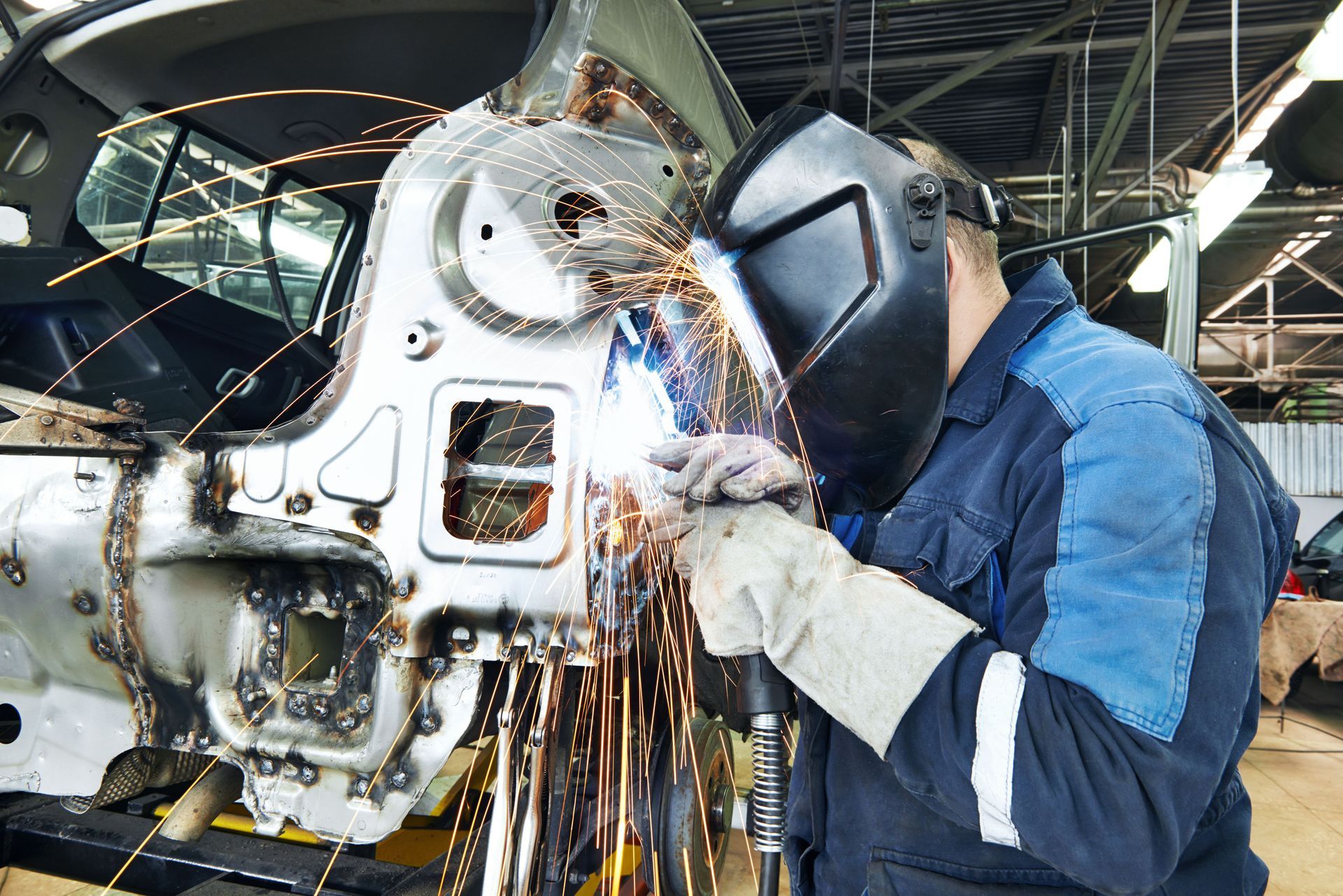
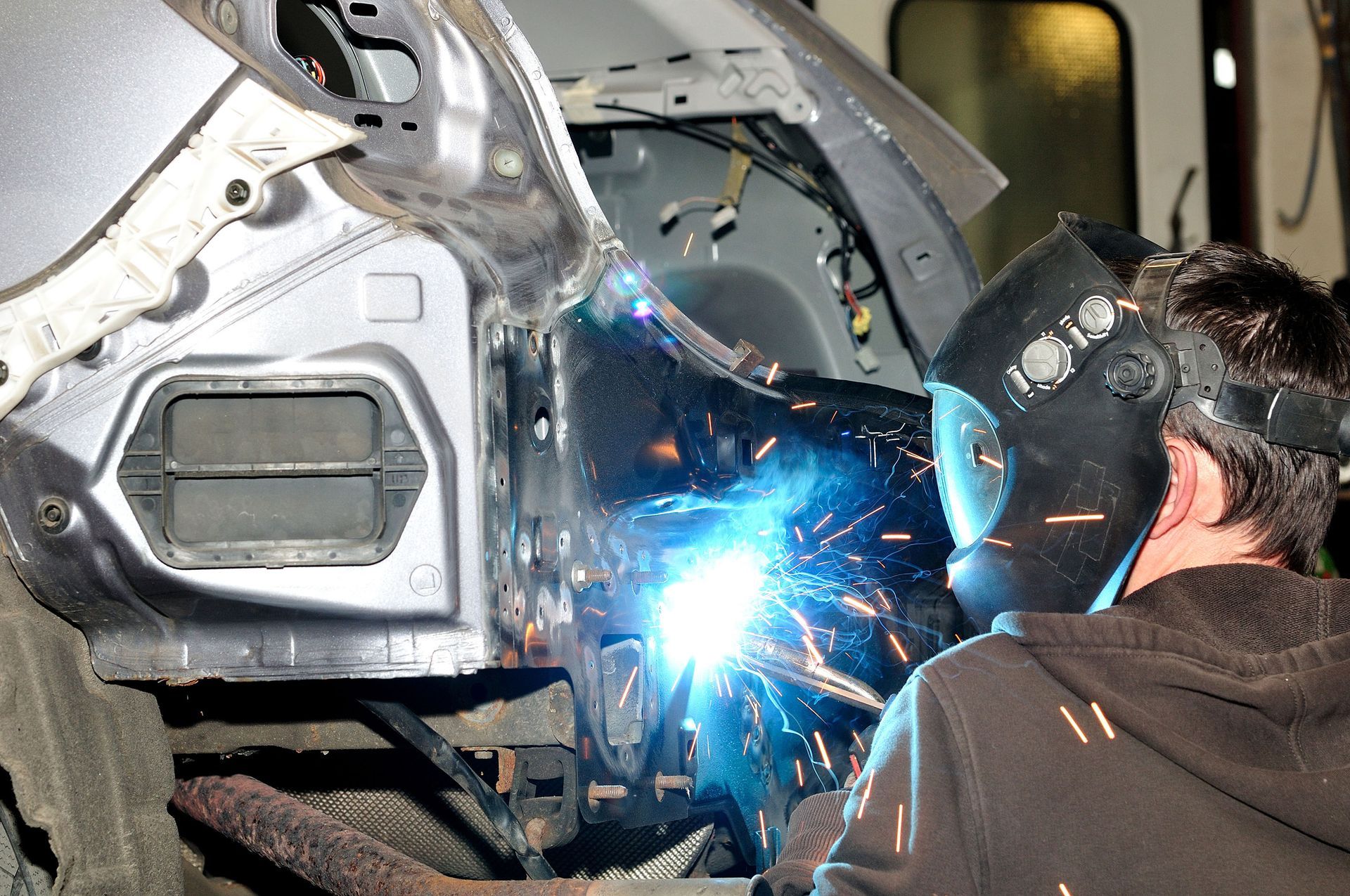
Understanding Personal Protective Equipment (PPE) is critical for a welder's safety. Apprentices are educated on the appropriate use of PPE, such as helmets, gloves, and goggles, which provide defense against workplace dangers. Promoting a safety-first workplace culture involves not only using PPE correctly but also encouraging colleagues to follow suit. It's important for employees to be aware of their responsibilities in maintaining not just their own safety but also that of others, reinforcing a collective commitment to well-being on the job.
5. Enhancing Communication and Teamwork
A successful welding career hinges on effective communication and teamwork. Apprentices are encouraged to develop these skills by working closely with colleagues on projects. The ability to convey ideas and information clearly is essential for successful collaboration. When multiple team members are involved in a project, understanding and resolving differences efficiently leads to harmonious and productive working relationships. This also includes the development of leadership and mentoring skills, essential for guiding others in achieving shared objectives.
In conclusion, a welding apprenticeship not only equips individuals with specific technical skills but also fosters a diverse set of abilities that are crucial for professional development across industries. These skills serve as a foundation for workers to advance in their careers and adapt to an ever-changing work environment. By mastering welding techniques, understanding materials, enhancing problem-solving abilities, adhering to safety regulations, improving communication and teamwork, and honing time management skills, apprentices become well-rounded professionals. This comprehensive skill set ensures they are valuable assets in any industry, capable of contributing to the success of their employers and the safety of their workspaces. According to SafetyNow, welding accidents account for roughly 25 percent of fatal workplace accidents. Be sure to reach out to Boilermakers Local 107 today to learn more about our professional local welding apprenticeship!