September 16, 2026
Entering the heavy metalworking industry demands immense dedication and specific personal characteristics that go beyond surface-level interest. People seeking long-term career stability pursue welding apprenticeships to learn essential joining techniques. During these rigorous programs, candidates master joining distinct metals through intense heat and specialized heavy equipment. Success in this trade requires more than basic instruction; it demands innate qualities that separate average performers from exceptional craftsmen.
Identifying these defining characteristics helps future fabricators understand strict industry expectations before they begin their educational training journey. While technical proficiency develops over time, inherent personal attributes provide the foundation for robust career growth. The most successful candidates in welding apprenticeships share specific mental and physical traits that enhance their craftsmanship. Recognizing these shared qualities helps prospective workers gauge their baseline suitability for this intense profession.
1. Possessing Unwavering Mental Focus
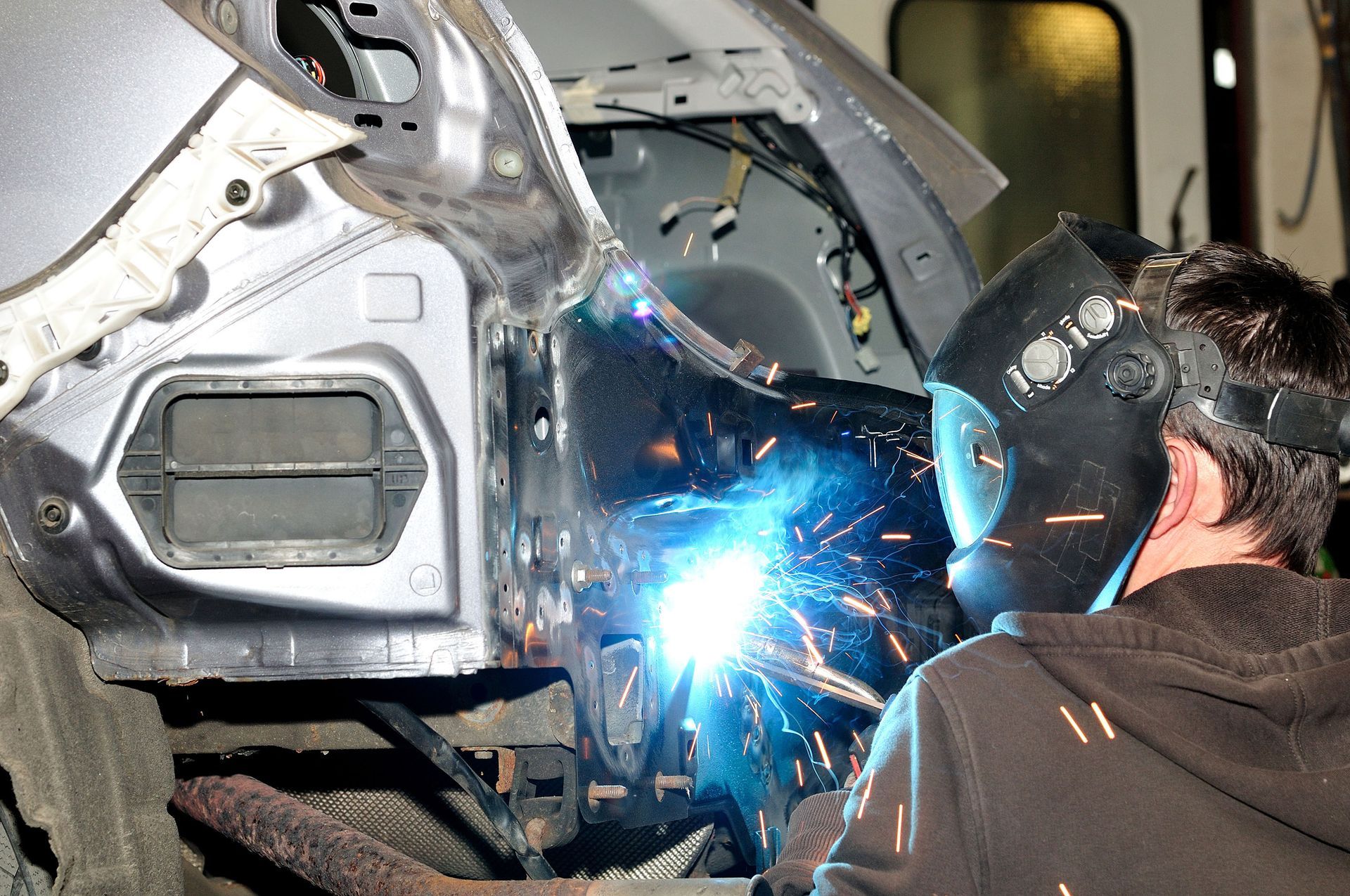
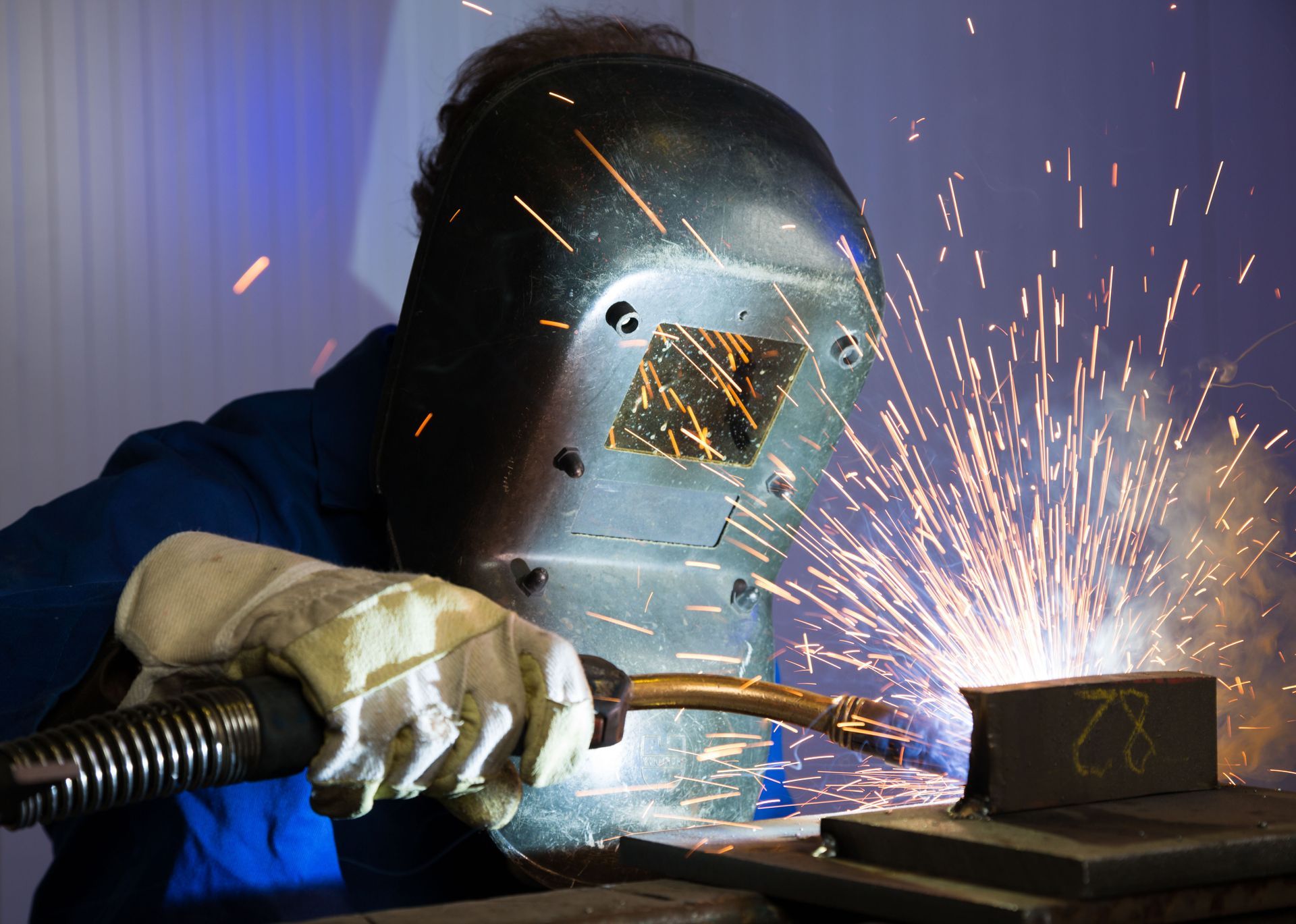
Working with molten metal demands complete concentration at all times. Distractions lead to poor weld quality and create severe potential hazards. Welders must keep their eyes fixed on the molten puddle, ensuring the bead forms a proper bond along the designated joint. A wandering mind causes irregular patterns, weak structural bonds, and porous metal structures. This intense mental focus separates novices from masters who build flawless metal joints.
Maintaining concentration during lengthy shifts poses a significant challenge for new entrants. Shops are loud, bright, and filled with chaotic background activity. The ability to block out peripheral noise and movement remains a vital skill. Apprentices must train their minds to ignore the chaotic environment surrounding their immediate workspace. Individuals who lack this mental discipline struggle to produce consistent, high-quality results throughout a standard workday.
Complex blueprints and strict structural specifications add another distinct layer of required concentration. Fabricators must read detailed architectural plans and execute the joining processes without the slightest error. Missing a tiny detail on a technical schematic leads to complete project failure and massive material waste. Individuals enrolled in welding apprenticeships spend vast amounts of time learning to interpret these technical documents while maintaining focus on the physical task.
This level of mental stamina prevents costly manufacturing mistakes and expensive project rework. When fabricators maintain their focus, they produce clean, precise structural bonds that meet strict engineering industry standards. The mind acts as the primary guiding tool in shaping perfect joints. Workers who cultivate their ability to concentrate for extended periods build renowned reputations for producing defect-free steel components and massive architectural structures.
2. Demonstrating Resilient Physical Stamina
The metal fabrication field punishes the human body with extreme environmental conditions. Fabricators stand, crouch, and bend in awkward physical positions to reach difficult structural joints. The heavy protective gear traps body heat, making summer shifts in unconditioned production shops grueling. Candidates need physical endurance to withstand the daily physical toll of manipulating heavy steel materials and operating bulky machinery on the shop floor.
Holding steady positions while supporting heavy fabrication tools causes rapid muscle fatigue. A welder might need to suspend their arms above their head for extended periods to complete an overhead pass. Shaking hands ruin the weld bead, meaning the arm muscles must remain tense and controlled. This static physical strength forms a core requirement for individuals hoping to graduate from their industrial training programs.
Lifting raw steel materials into place requires substantial raw muscular power and strong cardiovascular fitness. Steel support beams and thick iron plates weigh enough to exhaust unprepared individuals with rapid speed. Success in welding apprenticeships depends on the candidate's capacity to handle these heavy materials day after day. Proper lifting techniques help mitigate strain, but foundational physical strength remains non-negotiable for serious trade professionals.
Building this physical endurance protects shop workers from chronic joint pain and fatigue-related errors. Fit individuals recover from demanding shifts with greater speed and maintain steadier hands at the end of the day. A commitment to physical health supports a long, injury-free career in the heavy fabrication industry. Stamina ensures the worker remains capable of producing high-quality joints from clock-in to clock-out without sacrificing precise technique.
3. Showing Natural Mechanical Aptitude
Understanding how separate architectural components fit together forms the core of steel fabrication. Workers must visualize the final product in their minds before striking an arc. Spatial awareness allows the fabricator to arrange metallic pieces in the correct geometric orientation. A strong mechanical mind comprehends the complete sequence of assembly and anticipates how extreme heat will distort the metal during the complex joining process.
Operating advanced shop equipment requires an inherent understanding of complex machinery. Modern fabrication shops use sophisticated power sources, automated wire feeders, and delicate shielding gas regulators. Fabricators must diagnose equipment malfunctions and perform routine maintenance on their machines. Workers who grasp mechanical concepts with ease can troubleshoot machinery issues and keep production moving when critical tools malfunction or perform beneath standard operational parameters.
Geometry and spatial reasoning play huge roles in material layout and cutting. Fabricators measure angles, calculate dimensions, and cut raw materials to exact project specifications. A miscalculation results in scrapped steel and wasted labor time. Participants completing welding apprenticeships rely on their mechanical aptitude to translate abstract blueprint dimensions into tangible, exact physical components ready for the final bonding stage.
This innate spatial intelligence reduces the learning curve for mastering new joining techniques. When new manufacturing processes emerge, mechanically inclined individuals adapt their methods without struggling. They understand the physics behind the electrical arc and the basic metallurgy of the bond. This deep comprehension of how things work guarantees the fabricator can tackle any project, regardless of its complexity or massive industrial scope.
4. Maintaining Strict Safety Awareness
Hazards surround every workspace in the heavy metal fabrication industry. Molten slag, intense ultraviolet light, and toxic chemical fumes present constant threats to human health. Fabricators must remain vigilant about their immediate surroundings and the personal protective gear they wear. Ignoring safety protocols leads to severe skin burns, permanent vision damage, or respiratory illnesses that ruin promising careers.
According to SafetyNow, approximately 4,000 nonfatal welding injuries and more than 100 fatal welding accidents occur annually. These statistics highlight the grave consequences of complacency in the production shop. Workers must inspect their personal protective equipment before every shift. Checking gas hoses for leaks and electrical cables for frayed insulation prevents disastrous chemical fires and massive electrical shocks.
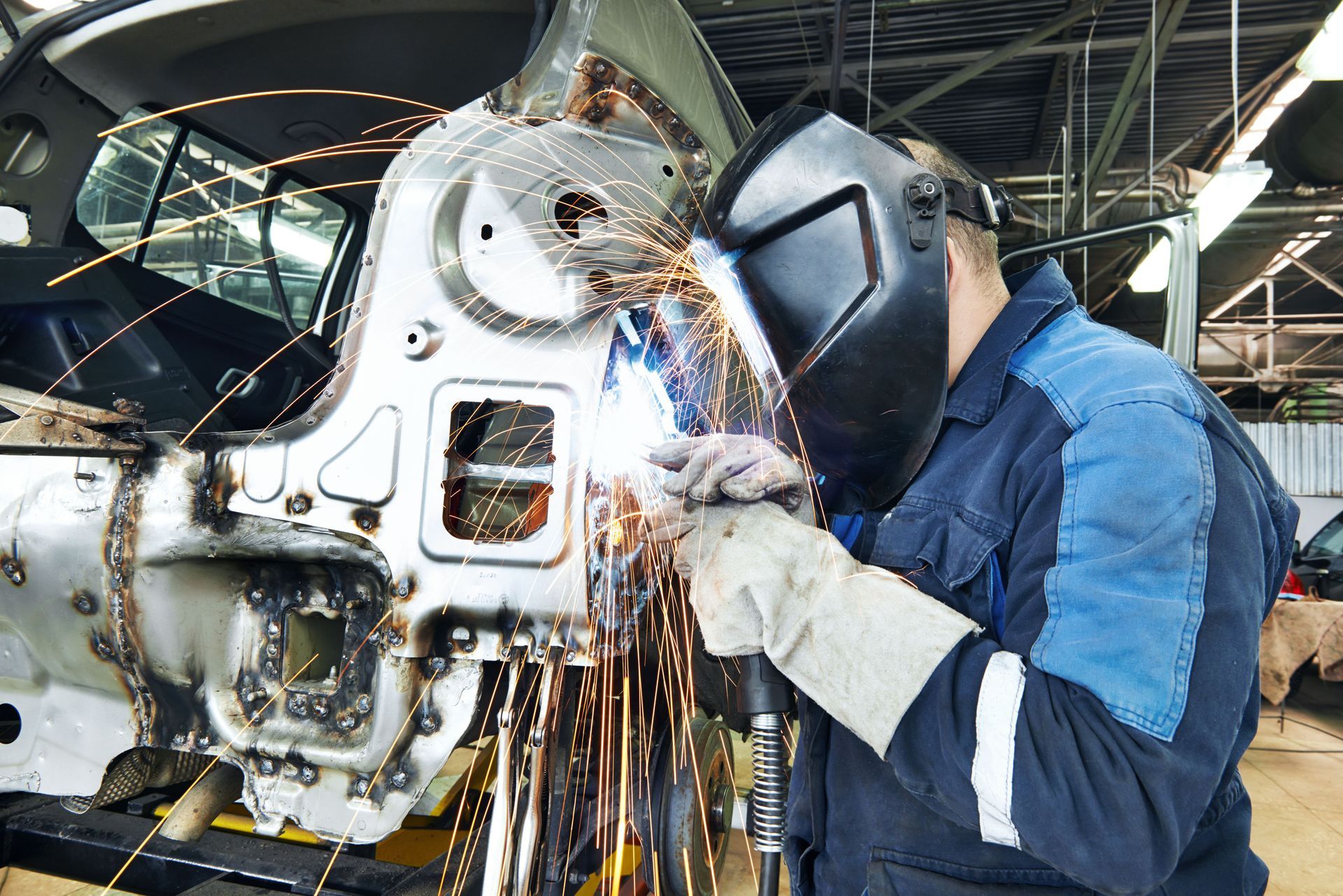
Environmental awareness extends far beyond basic personal protection. Fabricators must monitor the shop floor for flammable materials and ensure proper ventilation exists before striking an arc. Hot sparks travel great distances from the immediate work zone, creating severe fire risks in adjacent shop areas. Protecting coworkers from dangerous arc flash and flying metal debris remains a primary responsibility for individuals operating a torch.
Developing a safety-focused mindset guarantees a sustainable, long-term industrial career. Those who respect the inherent dangers of the trade avoid the reckless behaviors that lead to the aforementioned injury statistics. Shop supervisors value individuals who prioritize shop safety. This cautious approach ensures all team members return home uninjured, making safety awareness the most vital trait for industry success.
Mastering the industrial art of joining metals requires profound dedication and a steady hand. The demanding profession requires distinct personal characteristics that allow workers to thrive in harsh, unforgiving physical environments. Individuals who possess strong mental focus, resilient physical stamina, natural mechanical aptitude, and strict safety awareness stand out from their peers. These attributes form the foundation of a prosperous fabrication career.
Evaluating these core personal traits helps individuals determine their true compatibility with the trade. Those who cultivate these vital qualities experience exceptional success during their welding apprenticeships. The industry rewards dedicated professionals who combine technical knowledge with the proper mindset. By developing deep focus, physical endurance, mechanical skills, and extreme caution, future fabricators secure their permanent place in this vital and respected industrial field. If you possess these essential traits and feel ready for the challenge, we invite you to reach out to our team at Boilermakers Local 107. Contact us today to apply for one of our welding apprenticeships and start building a rewarding career in the fabrication industry.